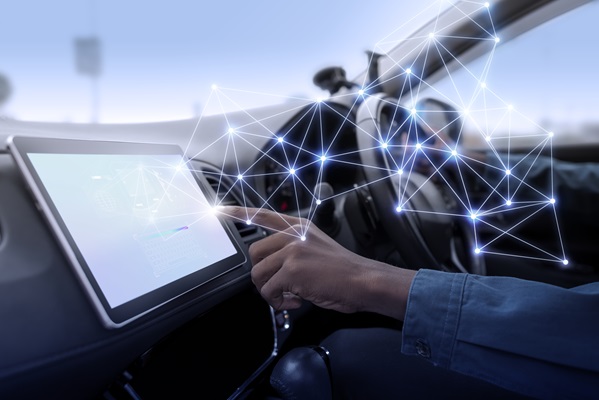
In the not-so-distant past, GPS technology was confined to the dashboard of our vehicles, dutifully guiding us from point A to point B. However, as technology evolves at an unrelenting pace, GPS has transcended the confines of the car and found its way into many other domains. From pocket-sized marvels to GPS-enabled smartwatches, and even underwater exploration, the applications of Global Positioning System technology have expanded beyond what we ever imagined.
The Pocket-Sized Marvels
The ubiquitous GPS devices have now become pocket-sized marvels. Whether you’re a hiker, geocacher, or a sailor, there’s a handheld GPS device for you. These portable companions have made outdoor exploration a new adventure, providing pinpoint accuracy even in the remotest of locations.
Hiking enthusiasts swear by the accuracy of these devices. They use them to chart courses, mark waypoints and even backtrack through dense forests. Geocaching, a modern treasure hunt where participants hunt for hidden caches, relies on GPS coordinates for seekers to find their prizes. And out on the open water, marine GPS ensures that sailors safely navigate the vast seas.
On Your Wrist: GPS Smartwatches
The wristwatch has evolved into a smart companion. GPS technology integrated into these wearable devices tells time and provides real-time location data. Runners and fitness enthusiasts can track their activities with unparalleled accuracy. They can plan routes and monitor their progress, thanks to GPS technology.
For outdoor adventurers, GPS smartwatches are indispensable. Whether trekking through the wilderness or conquering a mountain peak, your GPS smartwatch ensures you’ll never lose your way. These devices perfectly blend style and functionality, combining practicality with a fashionable design.
GPS in the Sky: Drones and UAVs
The aerial world has seen a revolution thanks to GPS technology. Drones and Unmanned Aerial Vehicles (UAVs) now use GPS to enhance their capabilities. This technology allows them to hover steadily in one place, follow predefined flight paths, and capture breathtaking aerial photographs and videos.
For photographers and videographers, GPS-enabled drones have opened up new creative vistas. They can effortlessly capture stunning aerial shots and footage, making the sky their canvas. Beyond photography, agriculture, and environmental monitoring have benefited from aerial drones equipped with GPS, ensuring efficient and precise data collection.
GPS-equipped drones have been instrumental in critical situations like search and rescue operations. They can rapidly reach remote areas and provide vital assistance during emergencies.
Navigating the Wild: GPS for Wildlife Conservation
The invaluable role of GPS technology in wildlife conservation cannot be overstated. Scientists use GPS trackers to monitor the movement of endangered species. These trackers offer insights into their habitats, migration patterns, and behavior.
Birds and marine animals undergoing migration studies are often fitted with GPS trackers. These devices provide a wealth of information on their journeys, helping researchers and conservationists make informed decisions. However, this critical application also raises ethical concerns regarding privacy and interference with wildlife.
Lost and Found: GPS for Personal Tracking
GPS technology has entered the realm of personal tracking, ensuring the safety and security of individuals and their belongings. Pet owners can now attach GPS-enabled trackers to their furry friends’ collars, allowing them to keep tabs on their location. Moreover, GPS technology helps individuals protect valuable assets, such as bicycles, by tracking their real-time movements and locations.
Personal safety is another crucial application. With location-sharing features, friends and family can stay connected and ensure one another’s safety. However, the convenience of personal tracking is accompanied by privacy considerations that need careful attention.

Precision Farming: GPS in Agriculture
In the agricultural sector, GPS technology has brought about a farming revolution. Precision farming, also known as precision agriculture, relies on GPS to optimize various aspects of crop management. GPS helps create detailed soil maps, monitor crop health, and guide autonomous tractors and machinery.
The benefits are twofold: not only does precision farming boost productivity, but it also reduces the environmental impact of agriculture. Farmers can use resources more efficiently, minimizing waste and chemical usage.
GPS for Disaster Response and Humanitarian Aid
In times of crisis and humanitarian emergencies, GPS technology is a lifeline. It enhances disaster preparedness by providing real-time data on the affected areas. Rapid deployment of GPS technology is essential during these situations, allowing responders to coordinate their efforts effectively.
For humanitarian organizations, geospatial mapping supported by GPS is invaluable for planning relief efforts. These maps provide insights into the affected areas, helping organizations efficiently allocate resources. Collaboration between NGOs, government agencies, and GPS technology providers plays a pivotal role in effective disaster response and humanitarian aid.
The World Underwater: GPS in Marine Exploration
Not only does GPS navigate the skies and the land, but it also delves into the mysteries of the ocean. Marine exploration benefits from GPS technology, ensuring accurate navigation and mapping of underwater terrains. Archaeologists, in particular, have leveraged this technology to make astonishing discoveries beneath the waves.
GPS aids in research on marine ecosystems, offering insights into the behavior and movement of aquatic creatures. Yet, underwater GPS technology comes with its own set of challenges, as GPS signals don’t propagate effectively underwater, necessitating specialized equipment.
Adventure on Two Wheels: GPS for Cyclists
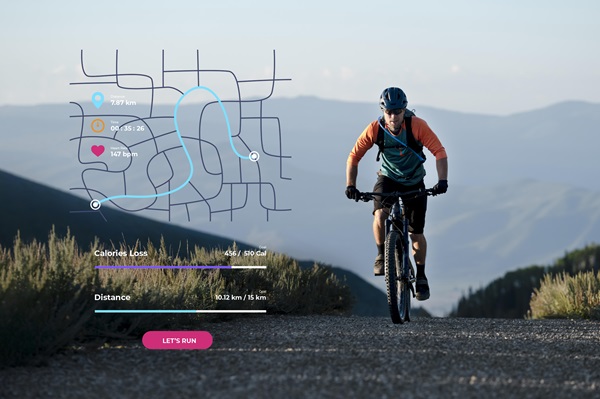
Cycling is more than just a mode of transportation; it’s a lifestyle. With GPS technology, cyclists have a handy tool for navigation and route planning. From mountain trails to city streets, GPS guides them with precision.
Fitness tracking for cyclists is another remarkable feature, allowing enthusiasts to monitor their performance, set goals, and analyze their rides. Additionally, GPS technology provides security by helping cyclists locate their stolen bikes.
GPS in the Great Outdoors: Camping and RVing
Camping and recreational vehicle (RV) enthusiasts have embraced GPS technology. Finding the perfect campsite, remote and serene, is made easier with GPS. RVers, embarking on epic road trips, use GPS to chart their routes and locate essential amenities along the way.
For those who prefer off-grid camping, GPS devices are a vital tool for safety and navigation. However, it’s essential to balance the convenience of technology with its impact on the environment.
Game On: GPS in Mobile Gaming
The world of gaming has been transformed by GPS technology, giving rise to a new genre of augmented reality games. Geolocation-based mobile games use GPS to create immersive experiences for players.
One of the standout success stories in this genre is Pokémon Go, where players embark on real-world adventures to capture virtual creatures. The future of GPS gaming holds exciting prospects, promising more interactive and engaging experiences for players.
GPS in Sports: Beyond the Stadium
The impact of GPS technology extends to the realm of sports, offering more than just directions. Athlete performance analysis benefits from GPS data, helping coaches and trainers optimize training regimens. Sports tracking wearables, equipped with GPS, provide real-time insights into an athlete’s movements, speed, and distance covered.
GPS technology also plays a crucial role in fan engagement and gamification of sports. Interactive apps and devices allow fans to participate actively and feel closer to the action. Moreover, GPS-enabled sports data enhances sports broadcasting by providing viewers with a deeper understanding of the game.
Beyond Borders: GPS in International Navigation
Global Positioning System technology has truly made the world a smaller place. International travelers rely on GPS for guidance, language translation, and cultural insights. GPS apps and services tailored for travelers make navigation in foreign lands a breeze.
However, international navigation isn’t without its challenges. Differences in language, customs, and infrastructure can pose hurdles to seamless GPS use in foreign countries.
The Evolution of GPS Technology
From its humble beginnings, GPS technology has evolved into a powerful tool with a global impact. It has transformed from providing basic coordinates to offering advanced features such as augmented reality and real-time traffic updates. The expansion of satellite constellations has significantly improved accuracy.
The development of GPS technology is a result of collaborative efforts between governments and the private sector. This partnership has led to continuous advancements in GPS capabilities. The future promises even more innovation in navigational gadgets, with improvements in accuracy, battery life, and accessibility.
Conclusion
The evolution of GPS technology has far-reaching consequences, impacting various aspects of our daily lives and society. From guiding outdoor adventurers to conserving endangered species, ensuring personal safety, revolutionizing agriculture, aiding disaster response, and even exploring the depths of the ocean, GPS technology has proven its versatility.
Responsible and ethical usage of GPS technology remains crucial as it continues to integrate into every facet of our lives. The promise of even more innovation on the horizon ensures that GPS will remain an integral part of our ever-evolving world.